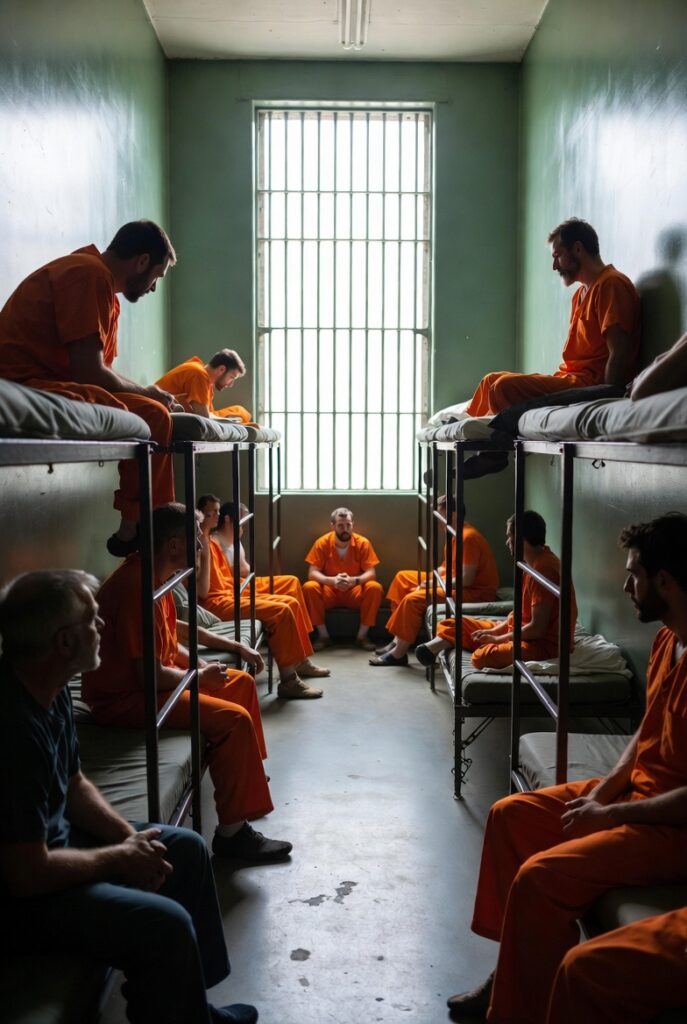
Despite declining crime rates in many parts of the country, county jails across America are straining at their seams. From small rural lockups to major metropolitan detention centers, overcrowding has become one of the most pressing issues in local criminal justice. The causes are complex, rooted less in crime itself than in the mechanics of the justice system.
The Pretrial Detention Bottleneck
The single largest driver of jail overcrowding is pretrial detention. Approximately 470,000 people are held in local jails on any given day while awaiting trial — many simply because they cannot afford bail. The median bail amount for felony charges exceeds $10,000, an impossible sum for many defendants and their families.
Pretrial detainees now make up roughly 75% of the total local jail population, up from about 50% in the 1990s. This shift means that the majority of people in county jails have not been convicted of any crime.
Mental Health and Substance Abuse
The closure of state psychiatric hospitals over the past several decades has pushed many people with severe mental illness into the criminal justice system. Today, the largest providers of mental health treatment in many states are not hospitals but county jails.
In Ohio, Indiana, and Michigan, sheriffs report that a significant portion of their jail populations consists of people who need treatment rather than incarceration. The lack of community-based mental health services means these individuals cycle repeatedly through the jail system.
Infrastructure Deficits
Many county jails were built decades ago for populations much smaller than they currently hold. Expansion is expensive and politically difficult, requiring bond measures or tax increases that voters may resist. As a result, some facilities operate at 150% or even 200% of their designed capacity.
Overcrowding leads to a cascade of problems: increased violence, the spread of infectious diseases, reduced access to medical and mental health care, and difficulty maintaining basic sanitation. It also puts enormous strain on corrections staff, who must manage larger populations with the same or fewer resources.
Immigration Detainers Add Pressure
In some jurisdictions, immigration detainers issued by ICE have added to jail populations. When local jails agree to hold people for immigration authorities beyond their normal release dates, it effectively increases the detained population without corresponding increases in capacity or funding.
This practice varies widely by jurisdiction. Some counties have adopted “sanctuary” policies and refuse to honor ICE detainers, while others cooperate fully. The patchwork of policies creates significant variation in jail overcrowding patterns across states like Texas, California, and Arizona.
Looking for Solutions
Solutions to jail overcrowding generally fall into two categories: reducing the number of people coming in and increasing the rate at which people move out. Bail reform, pretrial services, diversion programs for mental health and substance abuse, and faster case processing all aim to address different aspects of the problem.
Our national facility directory covers over 3,700 county jails across all 50 states, providing contact information, locations, and facility details.